Coping with diabetes stigma
Living with diabetes can be challenging. Dealing with how other people treat you because of your health condition is an added challenge that nobody needs.
Diabetes stigma is the result of misinformation, bias and assumptions. It’s up to society to change, not the people living with diabetes.
While work is underway to end diabetes stigma in Aotearoa, Diabetes New Zealand is here to help people living with diabetes, and those who care for them, to navigate difficult situations and find support.
How does diabetes stigma show up?
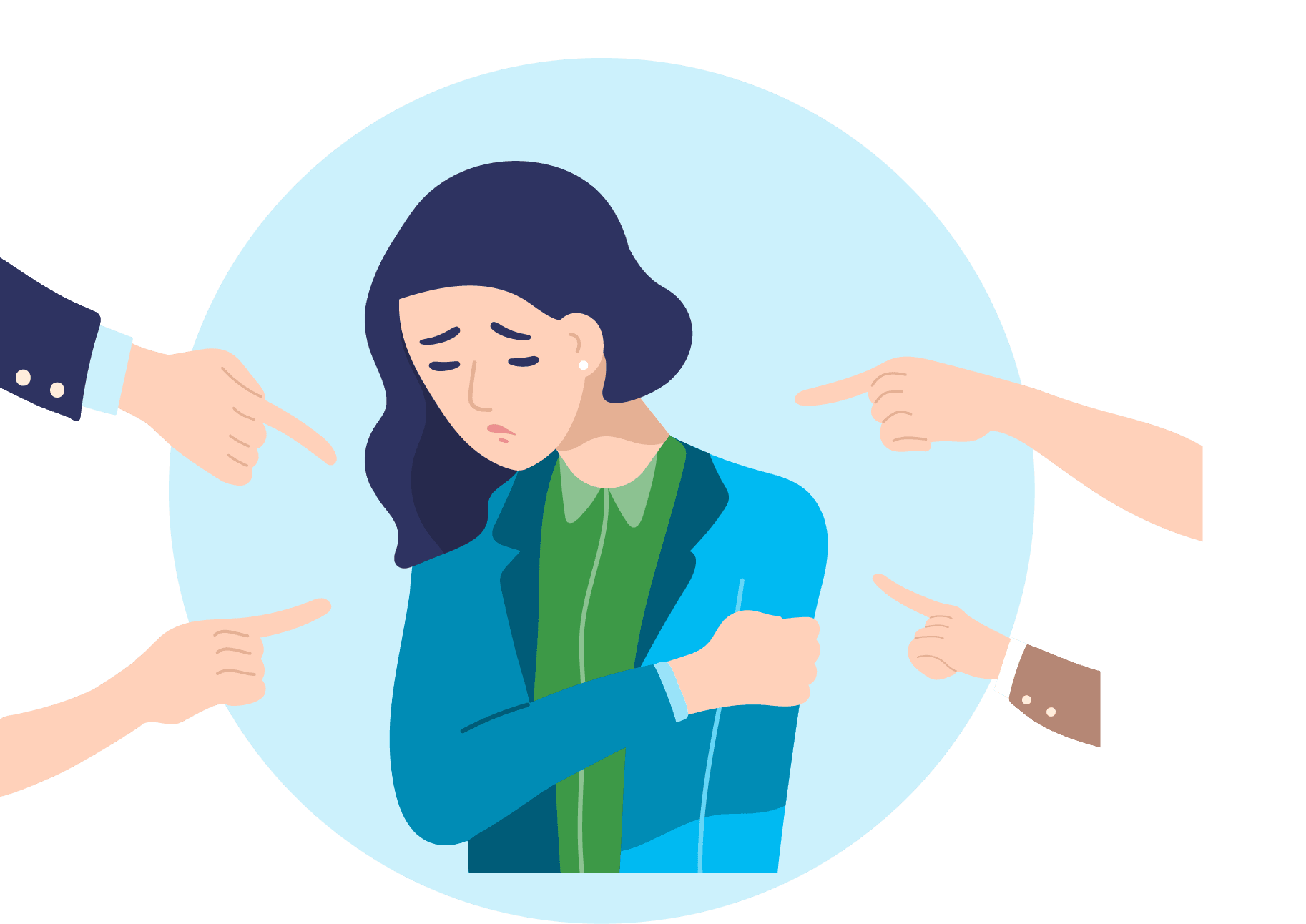
Diabetes stigma is when someone is judged, blamed or treated differently because of diabetes. It might be a stranger’s throwaway comment, a friend giving unwanted advice, a family member questioning your food choices, or even judgement from a healthcare professional. It can also show up as jokes and stereotypes in the media or online.
Stigma can be directed towards people who live with diabetes, as well as their family members and loved ones. Sometimes it can come from within, such as judging yourself, or taking on other people’s judgements as your own.
How you respond is up to you
These moments can happen quickly and take you by surprise. But you get to decide when, how and whether to respond. What you do might depend on who you’re with, how you feel and what you need in that moment.
There's no right or wrong way. Sometimes it might feel right to explain your experience, use humour, change the subject or ask someone to stop. Other times, you might ignore it or walk away.
Whatever you choose, remember: you know your diabetes best.

How you talk to yourself matters
Over time, other people’s comments can affect how you feel about yourself and your diabetes. Sometimes that can lead to negative thoughts about yourself or your diabetes. But you don’t need to accept judgement from others as your own.
Remember, stigma comes from other people's assumptions, not something you have done. But being hard on yourself and judging yourself can hurt just as much as judgement from others.
If you notice a judgemental thought coming into your head, ask yourself whether you’d say the same thing to a friend. Speaking to yourself with the same kindness you’d offer someone you care about can help. Our Diabetes Distress resource has more tips for managing the emotional toll of living with diabetes.
Stand strong together
You can’t change how other people think on your own, but you shouldn’t have to carry it on your own either.
Connecting with even one person who “gets it” can make a real difference. That might be someone else living with diabetes, a whānau member who takes the time to listen, a health professional you trust, or a member of the diabetes community.
Some people find it helps to be part of the change. If that’s you, you could:
Share our Talking About Diabetes guide with whānau, friends or colleagues
Take the End Diabetes Stigma pledge and encourage others to join you
Share our real-life stories on social media, or your own experience on social media
Find support
Support is available for people living with diabetes, whānau, carers and supporters.
Call the Diabetes New Zealand helpline on 0800 342 238 or email info@diabetes.org.nz.
Need to talk to someone now? Free call or text 1737 to talk with a trained counsellor, any time.


Get in touch
0800 342 238
info@diabetes.org.nz